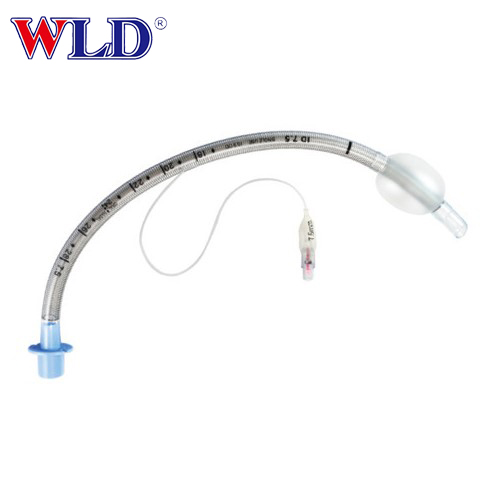

feeding tube


|
Item
|
feeding tube
|
|||
|
Material
|
PVC
|
|||
|
Color
|
transparent | |||
|
Types
|
infant,adult
|
|||
|
Size
|
F4,F5,F6,F8,F10,F12,F14,F16,F18,F20,F22
|
|||
|
Logo
|
accept custom logo
|
|||
Product Overview of feeding tube
Feeding Tube is a high-quality, sterile medical device specially designed for enteral nutrition delivery, providing a safe and reliable way to supply nutrients, fluids and medications to patients who cannot obtain nutrition by mouth or have difficulty swallowing safely.
Equipped with a full-length radiopaque line for easy X-ray positioning and clear centimeter-scale markings, the feeding tube allows medical staff to accurately confirm placement and avoid mispositioning risks. ensuring secure connection with feeding funnels, syringes or enteral feeding pumps and minimizing the risk of accidental disconnection or misconnection in line. Available in multiple French sizes (FG 5 to FG 24) and lengths, with options for nasogastric, nasojejunal, gastrostomy and jejunal types, the product is individually sterile packed via ethylene oxide (EO) sterilization, suitable for single use and meeting diverse clinical and home care needs.
Key Features of feeding tube
1. High Biocompatibility & Patient Safety
Made of medical PVC, the feeding tube causes no irritation or adverse reactions to the digestive tract or surrounding tissues, suitable for long-term indwelling and sensitive patient groups (neonates, elderly, sensitive skin patients).
2. Precise Placement & Easy Monitoring
Integrated full-length radiopaque stripe enables clear visualization under X-ray, allowing medical staff to quickly and accurately confirm tube placement and avoid complications such as aspiration pneumonia caused by mispositioning. Clear, wear-resistant centimeter-scale markings (from 5cm to the tube tip) facilitate precise adjustment of insertion depth, ensuring optimal nutrition delivery to the stomach or small intestine.
3. Unobstructed Flow & Anti-Blockage Design
The closed distal tip with 2-4 lateral eyes ensures uniform flow of nutritional formulas and medications, reducing the risk of blockage from viscous formulas or medication residues.
4. Flexible & Kink-Resistant
The soft, pliable tube structure is highly flexible and kink-resistant, adapting to the natural contours of the nasal cavity, esophagus, stomach and intestines without causing discomfort or tissue damage. It maintains patency even when patients move, ensuring uninterrupted nutrition delivery and improving patient comfort during indwelling.
5. Versatile & User-Friendly
Available in multiple types (nasogastric, nasojejunal, gastrostomy, jejunal), French sizes and lengths, catering to the specific needs of neonates, infants, adults and different clinical scenarios (short-term or long-term use). The lightweight design and easy-to-connect connectors simplify operation for medical staff and caregivers, reducing nursing workload and improving care efficiency.
6. Cost-Effective & Global Market Adaptable
Single-use design eliminates cross-infection risks and reduces cleaning and maintenance costs, suitable for bulk clinical procurement. The product meets global medical standards, supports customized specifications (size, length, connector type) and bulk wholesale, perfectly adapting to the procurement needs of the global medical market, including hospitals, clinics and home care providers worldwide.
Applications of feeding tube
1.Neonates, infants and children with feeding difficulties, including premature babies, neonates unable to take food independently, and pediatric patients with failure to thrive or malnutrition.
2.Adults with swallowing disorders caused by stroke, neurological or neuromuscular disorders, head/neck injuries, coma, or reduced alertness, who cannot safely consume food or fluids by mouth.
3.Patients with gastrointestinal conditions, requiring enteral nutrition support.
4.Critically ill patients in intensive care units (ICU), those on ventilators (unable to eat by mouth), and patients with severe burns or serious illnesses that increase nutritional needs.
5.Long-term care scenarios, including patients with chronic disabilities, advanced dementia (when appropriate), and those requiring permanent enteral nutrition support.
6.Clinical settings such as hospitals, neonatology units (NICU), pediatric intensive care units (PICU), community health centers, rehabilitation facilities, and home healthcare environments.
7.Gastrointestinal decompression and aspiration of intestinal secretions, using specialized types for intestinal decompression needs.